
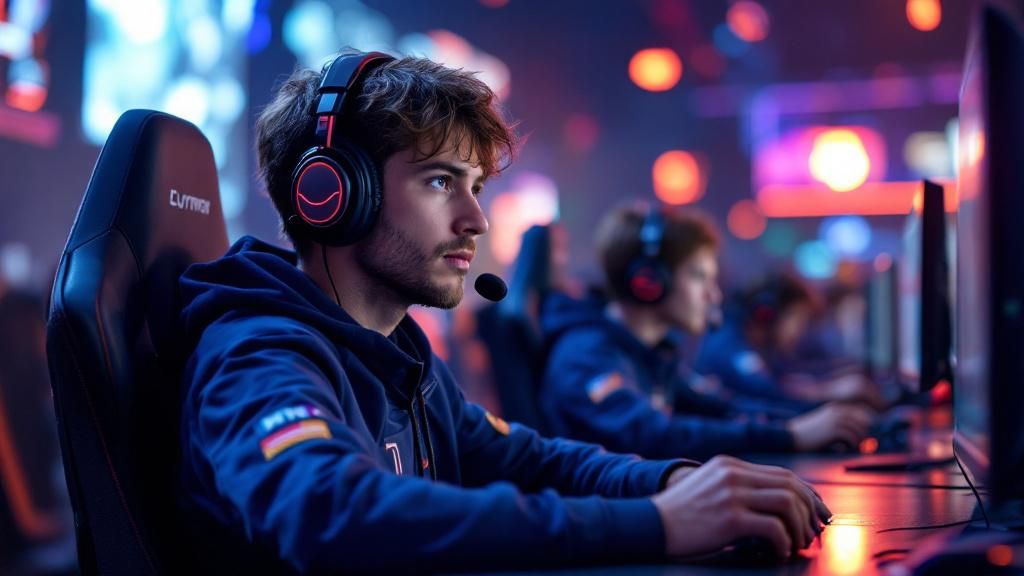
The esports industry has taken a significant step forward in prioritising competitor wellbeing. Prominent event operators have together launched a extensive competitor welfare framework, tackling persistent issues about mental health, working conditions, and fair treatment within the professional gaming sector. This landmark initiative represents a critical juncture for esports legitimacy, establishing baseline protections that could transform how the industry operates. We examine the framework’s central components, the entities leading this transformation, and what it means for competitors and the esports ecosystem in the future.
Industry-Wide Commitment to Player Health
The coordinated partnership between major esports companies marks a watershed moment for athlete safeguarding within competitive gaming. This cohesive approach demonstrates the industry’s genuine commitment to establishing sustainable standards that prioritise competitor wellbeing alongside performance quality. By combining knowledge and capabilities, these organisations have developed detailed frameworks addressing physical condition, mental wellness, and workplace protection. The programme demonstrates growing recognition that athlete wellbeing significantly affects performance quality and sustained careers, making it crucial for the sport’s credibility and growth.
Tournament organisers have confirmed that past requirements were scattered and uneven, putting athletes at risk of exploitation and burnout. The updated system standardises expectations throughout leading tournaments, making certain each professional player receives equitable treatment and access to essential support services. This coordinated approach eliminates competitive disadvantages arising from varying welfare provisions and establishes a level playing field. Industry leaders stress that these standards constitute baseline expectations, encouraging organisations to go beyond minimum standards and create truly caring settings where players can thrive in career and personal development.
Core Features of the Welfare System
The recently created welfare framework comprises several interconnected pillars designed to protect player interests thoroughly. These elements cover mental wellbeing assistance, physical health, equitable employment terms, and straightforward conflict resolution procedures. By bringing these provisions together, tournament operators strive to create a holistic approach that acknowledges esports athletes as competitive professionals entitled to robust protections. The framework defines essential standards that all participating tournaments are required to adopt, guaranteeing standardised player protections across the competitive gaming landscape.
Psychological Health Support Services
Understanding the psychological pressures characteristic of professional esports, the framework mandates provision of qualified psychologists for all players competing. Tournament organisers should offer confidential counselling services, through direct delivery or collaborative arrangements with accredited mental health professionals. This provision covers stress reduction, anxiety management support, and crisis support resources. Players receive access to trained psychologists who understand esports-specific challenges, encompassing digital harassment, severe competitive pressure, and career uncertainty.
The framework additionally mandates tournaments to establish mental health awareness programmes and anti-stigma campaigns within the community. Organisers are required to educate players, coaches, and staff about spotting psychological difficulties and utilising proper help. Ongoing assessments and wellness monitoring systems help spot struggling players early, allowing early action before situations escalate into serious psychological crises.
Physical Wellness Requirements
Tournament organisers must establish thorough health and safety standards tackling ergonomics, recovery intervals, and healthcare monitoring. The framework mandates proper seating, screen placement, and rest periods to prevent RSI common among esports professionals. Clinical personnel must attend at significant events to manage immediate medical concerns, whilst organisers are obliged to provide information about harm prevention and proper healthcare support for ongoing player improvement.
Environmental conditions at tournament venues are now subject to strict standards ensuring player comfort and safety. Regulations cover temperature control, lighting standards, and noise levels to create optimal performance conditions. Additionally, the framework encourages players to have periodic health checks and offers guidance on diet, sleep hygiene, and exercise routines crucial for sustained professional performance in esports.
- Workplace gear evaluations conducted by certified experts
- Mandatory rest periods between matches preventing athlete fatigue
- Medical personnel on location available during all competitive events
- Injury prevention education and recovery programme access
- Health monitoring programmes tracking player wellbeing across the year
Implementation Timeline and Standards
The framework will be rolled out in three distinct phases, beginning immediately with preliminary assessments across involved stakeholders. Tournament operators have pledged to completing first audits of their current practices by the first quarter deadline, identifying gaps between current procedures and the revised guidelines. This foundational phase ensures a detailed evaluation of each organisation’s current standing before making material alterations. Later stages will encompass employee development, procedural revisions, and the establishment of external compliance frameworks to ensure adherence and responsibility throughout the competitive gaming sector.
The standards themselves cover mandatory provisions covering mental health support, sensible practice arrangements, and transparent prize distribution protocols. Each organisation must designate a dedicated player welfare officer responsible for addressing grievances and ensuring adherence to guidelines. Regular audits, conducted by third-party bodies, will assess conformity and highlight zones for development. These extensive protections establish measurable benchmarks for player safeguarding, with enforcement mechanisms including financial penalties and prospective event bans for organisations not meeting required standards.
Industry Reaction and Outlook Ahead
The initiative has received considerable endorsement from participants throughout the competitive gaming sector. Player unions have commended the framework as a essential move towards elevating the professionalism of the industry, whilst team owners and financial backers appreciate the potential for greater credibility and sustainability. Hardware producers and broadcast services have committed to incorporate player welfare into their day-to-day activities, reflecting a unified resolve to structural reform. Preliminary evidence indicate that regulatory bodies and state representatives view the standards with approval, possibly opening the door to formal legal recognition of professional esports as a established professional field.
Looking ahead, industry observers anticipate that this framework will serve as a template for global adoption, with regional competitions and smaller competitions set to adopt comparable standards. The programme is expected to inspire continued dialogue regarding player compensation, career development pathways, and psychological support services. As esports continues its rapid expansion, these welfare standards constitute a vital protection mechanism guaranteeing that competitive gaming remains viable, welcoming, and respectful for all participants, ultimately strengthening the industry’s position as a genuine professional discipline.
